Qualquer pessoa que decida iniciar a programação deve decidir qual linguagem usar.
Para aqueles que já têm alguma experiência, é interessante saber qual é a melhor linguagem de programação para expandir seus conhecimentos.
Algumas pesquisas têm sido realizadas sobre as linguagens de programação mais populares no Brasil, e é interessante notar que a tendência tem geralmente permanecido a mesma durante os últimos cinco anos.
O PHP está consistentemente entre as cinco principais linguagens de programação mais populares em nosso mercado. Por este motivo, é utilizado por um grande número de programadores novatos como um primeiro passo em seu desenvolvimento profissional.
Entre as perguntas mais importantes que todos no mundo estão fazendo é se o PHP é fácil de aprender e quais são os benefícios. A resposta curta é que o PHP é subjetivamente fácil de aprender e é considerado uma das linguagens de programação mais simples, ainda que tenha suas aplicações específicas. Para entender porque o PHP da b7web é uma boa escolha para aqueles que decidiram seguir uma carreira em programação, é útil conhecer a natureza e o escopo da linguagem PHP e suas capacidades.
O que é PHP?
PHP é uma linguagem de programação web bastante conhecida e difundida, embora não seja universalmente utilizada. É utilizado para desenvolvimento do lado do servidor, para o desenvolvimento bem sucedido de back-end ou, em outras palavras, para escrever aplicações e serviços web.
PHP é uma linguagem de programação aberta e fácil de aprender. Embora seja utilizado principalmente para projetos menores, ainda é uma parte fundamental dos websites. É mais comumente usado em sistemas web como WordPress, Drupal, Magento, OpenCart, e é usado para apoiar lojas, blogs, fóruns ou outros softwares web. PHP é usado na maioria dos sistemas operacionais, como GNU/Linux, UNIX, Mac OS X e Windows, e os desenvolvedores de PHP trabalham com bancos de dados modernos, como MySQL, MariaDB, Oracle e outros.
PHP é geralmente uma boa escolha para começar a aprender uma linguagem de programação, especialmente se seu objetivo for a programação da b7web Full Stack, já que PHP é usado exclusivamente para este fim. O PHP é ideal para programadores que já conhecem HTML e CSS e querem melhorar suas habilidades.
A evolução do PHP ao longo dos anos
Originalmente, o PHP era usado principalmente para criar sites dinâmicos. É considerada uma linguagem de script simples, baseada em métodos. Sendo fácil de aprender e implementar, ela se estabeleceu ao longo dos anos como uma linguagem líder para o desenvolvimento de servidores web. Em sua época, o PHP era usado para gerenciar metade dos websites do mundo, particularmente dentro de plataformas de e-business como WordPress, Magento e Joomla. De acordo com descobertas recentes, 37% dos sites on-line mais visitados em 2017 foram construídos com PHP.
Nos primeiros dias do desenvolvimento do PHP, os usuários enfrentavam muitos problemas relacionados à manutenção do código, falta de padrões, distribuição de arquivos aleatórios e problemas com projetos maiores, de modo que não era considerada a linguagem mais utilizável.
Com o desenvolvimento de novas variantes e a introdução do PHP 7 e PHP 7.1, essas deficiências foram eliminadas e a linguagem se tornou nova e orientada a objetos. Sob o domínio do Java, o PHP agora suporta paradigmas como interfaces, objetos, encapsulamento, polimorfismo e assim por diante, enquanto as últimas variantes permitem a digitação de dados e maior flexibilidade através da programação do operador.
PHP é agora usado para criar projetos web de alta qualidade e é comparável às principais linguagens de programação do lado do servidor, como Java e C#.
Por que projetar em PHP?
Há muitas razões para começar a se desenvolver em PHP. Uma das principais razões é que atualmente há uma grande demanda por desenvolvedores de PHP no Brasil, o que é uma grande oportunidade para aqueles que estão apenas começando na programação e o indicado é curso b7web do Bonieky Lacerda.
Você aprenderá outras coisas interessantes sobre PHP que o farão pensar se esta é realmente a linguagem de programação em que você deve se concentrar:
Excelente salário inicial para programadores PHP inexperientes.
PHP e MySQL são algumas das tecnologias mais populares no Brasil.
A linguagem de programação PHP é utilizada por mais de 5 milhões de desenvolvedores em todo o mundo.
Quase um terço de todos os sites são baseados em PHP.
PHP é usado para desenvolver aplicações web e servidores web (sistemas backend).
Como eu posso aprender a programar em PHP?
Já dissemos que o desenvolvimento em PHP é subjetivamente fácil e que esta linguagem pode ser escolhida tanto por iniciantes quanto por aqueles que querem melhorar suas habilidades.
Há muitas maneiras de aprender esta linguagem de programação:
Auto-aprendizagem usando informações da Internet: este método é mais adequado para pessoas que já têm muita experiência em programação. Não é necessariamente adequado para iniciantes, que têm que filtrar constantemente boas informações de maus conselhos na Internet.
Aprender com os livros – esta opção também é preferível para pessoas que já têm experiência neste campo, mas com mais motivação qualquer um pode alcançar bons resultados.
Cursos de programação PHP – em geral, esta é a melhor opção para programadores iniciantes e para aqueles que desejam atualizar seus conhecimentos. Os cursos de programação PHP combinam treinamento teórico e prático, o que os torna muito mais eficazes e muitas vezes minimiza o tempo de treinamento. A possibilidade de trabalhar em pequenos grupos dá aos alunos melhor acesso ao conhecimento e mais oportunidades de interagir com o professor e outros participantes.
Como se tornar um programador PHP?
Para trabalhar como programador, são necessárias várias habilidades relevantes, independentemente do idioma utilizado:
Aprender a escrever código: o uso de interruptores, funções, manipulação de dados, matrizes e listas são algumas das habilidades básicas a serem adquiridas.
Pensamento lógico/algorítmico/matemático: isto pode ser desenvolvido através da solução de problemas de programação. Em geral, a solução de problemas é essencial para um programador de sucesso. O conhecimento da matemática e da física é útil para desenvolver este tipo de pensamento.
Adquirir um conhecimento básico de programação: o que são bancos de dados, engenharia de software, programação de rede; quais são as principais tecnologias e tipos de programação da Internet?
Aprenda linguagens de programação e tecnologias de software: nesta etapa, você pode decidir a direção que seu desenvolvimento tomará. Para se tornar um programador PHP, você precisa aprender esta linguagem e outras tecnologias-chave que podem melhorar o desenvolvimento de servidores web.
O PHP é uma linguagem bastante conhecida e procurada na comunidade de TI. A programação em PHP é subjetivamente fácil e não requer um grande investimento de tempo para ser dominada. Um curso de 2 meses pode ser suficiente para um iniciante dominar as bases da programação PHP e desenvolver uma carreira nessa direção.
As energias renováveis estão se tornando cada vez mais populares no Brasil e ao redor do mundo. De acordo com a Energy Research Corporation (EPE), mais de 80% da matriz energética do Brasil provém de fontes renováveis. Graças aos desenvolvimentos tecnológicos e de mercado, o país possui cerca de 601 parques eólicos, que produzem 9,3% da energia nacional.
O que é energia eólica?
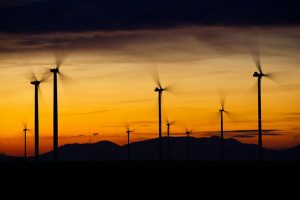
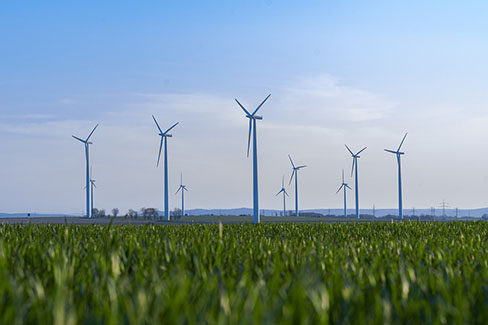
A energia eólica é a energia produzida pelo vento, que transforma turbinas e transforma a energia mecânica em energia elétrica.
É considerado 100% limpo porque não polui o meio ambiente durante a produção de energia e renovável porque vem de uma fonte inesgotável.
Energia Eólica no Brasil
Com o crescimento da população e o desenvolvimento econômico do país, a energia eólica ganhou terreno no mercado devido a seu preço e volume. Segundo a Câmara de Comércio de Eletricidade (CCEE), ela é atualmente a fonte de geração mais barata.
Para entender melhor o desenvolvimento desta tabela de energia, precisamos examinar alguns dados. De acordo com a associação brasileira de energia eólica ABEEólica, existem cerca de 506 parques eólicos somente no nordeste do país e, segundo a associação, a energia eólica já cobre mais de 70% da demanda dos dias da semana na região.
Como funciona?
A produção de energia eólica se baseia nas cinco fases seguintes:
A energia cinética é produzida sempre que há diferenças na pressão e temperatura do ar entre dois locais.
A força do ar move as pás das turbinas eólicas, capturando a energia cinética do ar e convertendo-a em energia mecânica.
Esta energia mecânica gira o rotor e transmite sua rotação para o gerador.
O gerador consiste em ímãs rotativos que criam uma carga elétrica, convertendo a energia mecânica em energia elétrica.
A eletricidade produzida é alimentada na rede para uso industrial, comercial e residencial.
Vantagens e desafios da energia eólica
Vantagens
#1 Energia limpa e renovável
Sem dúvida, a principal vantagem da energia eólica é que ela é uma fonte de energia limpa e renovável.
A energia eólica utiliza uma fonte inesgotável de energia, ar, e não produz poluição, gases de efeito estufa ou resíduos.
Segundo a ABEEólica, a energia eólica evitou 21 milhões de toneladas de emissões de dióxido de carbono (CO2) somente em 2018.
2 Contribui para o crescimento econômico
A energia eólica contribui para a recuperação econômica do país como um todo.
Isto se deve à diversificação do fornecimento de energia, maior estabilidade energética, criação de empregos e atração de investimentos em áreas de parques eólicos.
#3. Energia barata
O preço por quilowatt produzido e os custos de manutenção da energia eólica são muito baixos. Em áreas com ventos fortes, as vantagens são ainda maiores.
#4 Menos dependência de combustíveis fósseis.
Atualmente, as usinas térmicas são iniciadas quando o nível da água nos reservatórios está baixo.
O uso crescente da energia eólica aumentará a complementaridade das fontes de energia no sistema. Isto reduz a necessidade de usinas termelétricas e a dependência de combustíveis fósseis.
Desvantagens
#1 Energia intermitente
Uma das principais desvantagens da energia eólica é sua intermitência. Isto se deve ao fato de que o ar não é uniforme e é afetado pelos componentes do clima.
Em outras palavras, o ar nem sempre satisfaz as condições básicas para o movimento das pás de vento.
#2 Altos custos de planejamento
O equipamento básico necessário para construir um parque eólico tem um custo básico. Além disso, a quantidade de terra necessária para instalar a turbina e criar um retrocesso estável é alta, o que aumenta os custos de planejamento.
#3 Impactos ambientais
Embora a geração de energia eólica seja considerada uma fonte de energia sustentável, ela também tem impactos ambientais.
Uma vez que as turbinas eólicas produzem ruído alto constante durante a operação, a poluição sonora é prejudicial aos residentes locais e à vida selvagem nas proximidades das turbinas.
Além disso, as turbinas eólicas são visualmente intrusivas devido ao seu tamanho e podem afetar as aves migratórias.
Reduzindo as perdas na distribuição de energia em até 40%. Agora podemos trabalhar sob diferentes condições graças ao software desenvolvido pelo Instituto de Matemática e Informática (ICMC) da Universidade de São Paulo.
O software foi desenvolvido com código PHP e
Basta instalar o software em seu computador desenvolvido em código PHP e importar os dados da rede elétrica para ver toda a rede elétrica metropolitana exibida em 3D na tela. O Php do zero ao profissional B7Web é PHP é uma linguagem de programação que é utilizada pelos programadores e desenvolvedores para construção de sites dinâmicos, extensões para integração e aplicações e software que possibilita a agilização no desenvolvimento de um sistema ou programa computacional
O programa coleta informações técnicas tais como linhas, cabos, interruptores e transformadores, bem como dados gráficos e mapas da cidade”, disse Alex, autor do programa e instrutor.
O eletricista pode então configurar o circuito de distribuição de acordo com as necessidades da área. O programa permite que o circuito seja redesenhado em algumas etapas simples. “O objetivo é minimizar perdas e eliminar interrupções mais rapidamente”, disse ele.
Ao alterar as propriedades da grade no computador, os especialistas podem modificar o sistema real. “Uma vez feitas todas as mudanças necessárias no programa, é possível projetar uma configuração mais econômica que possa ser usada na prática”, explicou ele.
A simulação permite um alto nível de economia. “Em geral, as perdas de energia são reduzidas em 30-40 por cento quando combinadas com a distribuição”, disse ele. O pesquisador enfatiza que o programa não funciona no momento da produção e da transmissão.
O programa também permite planejar a expansão de todo o sistema energético em uma determinada área, aplicando a melhor relação custo-benefício. “Neste caso, não se trata apenas de substituir os interruptores nos postes para minimizar o desperdício”, explica ele.
“Se você quiser expandir o sistema, terá que comprar novos transformadores, linhas e postes, o que aumenta os custos”, explica ele. De acordo com o pesquisador, é uma questão de prudência alcançar a máxima qualidade a um custo mínimo. E se você deseja saber mais sobre programação consulte o site da b7Web e fique por dentro do assunto.
Comente abaixo o que você acha quando o assunto é economizar energia!?
Um sistema de refrigeração de ar condicionado no veículo é uma característica de segurança que muitos motoristas precisam ao escolher seu meio de transporte.
Em uma região tropical como o Brasil, onde o clima é tórrido, especialmente no verão, é difícil dirigir com as janelas abertas e evitar o calor.
Mas há um problema que afasta muitas pessoas dessa paz de espírito: o uso de ar condicionado nos veículos.
O aumento do preço do combustível nos últimos anos fez com que os motoristas desconfiassem deste “luxo”, pois é difícil controlar o consumo de combustível do veículo ao usar este dispositivo.
Como funciona o ar condicionado em um veículo?
Antes de falarmos sobre o consumo de combustível de um ar condicionado, precisamos entender como ele funciona. Funciona através da expansão e compressão de um gás, também conhecido como refrigerante.
Este gás muda seu estado físico – de um líquido para um gás e vice-versa – dependendo das condições de temperatura e pressão no sistema, facilitando a troca de calor.
Um dos principais dispositivos utilizados para operar o sistema de ar condicionado de um veículo é o compressor, que é responsável pela compressão do gás e pelo aumento de sua pressão e temperatura.
Uma vez comprimido, o gás é enviado ao condensador, um mecanismo localizado na parte frontal do veículo onde o fluxo de ar é mais intenso, permitindo a troca de calor e a redução da temperatura. O gás então se transforma em um líquido, mas ainda está sob alta pressão.
O líquido passa então através da válvula de expansão, que é responsável pela queda repentina da pressão, que causa uma queda adicional de temperatura.
A expansão transforma o líquido em gotículas que passam por um sistema complexo de tubos responsáveis pelo resfriamento do ar que vem de fora e circula fora dos tubos.
Quando o ar externo, que é quente, entra em contato com os tubos, que são frios, ocorre uma mudança de temperatura que faz com que o líquido retorne ao estado gasoso e o processo começa novamente. Os ventiladores sopram o vento frio para dentro do carro e sopram o vento quente para fora.
Saiba mais sobre como fazer manutenção e instalação de Arcondicionado automotivo em veículos na GL Treinamentos ensino passo a passo todo o processo de instalação e abertura de empresa.
Como este processo afeta o consumo de combustível?
Está claro exposto acima que o ar condicionado nos automóveis funciona por meio de um sistema que utiliza energia elétrica e mecânica. O compressor é conectado ao motor de transporte por uma correia especial, o que torna o trabalho do compressor mais leve.
O uso de ar condicionado movido a ar tem, portanto, um impacto no consumo de combustível. Isto também explica porque a potência do veículo é reduzida quando se tenta subir uma colina.
Você reduz o consumo de combustível durante o transporte e economiza dinheiro.
Este efeito é difícil de medir porque depende de muitas variáveis. Dependendo da situação, o consumo de combustível pode aumentar de 8 a 40%. A seguir analisamos as fontes que têm maior impacto sobre esta mudança:
Potência do motor
Os motores de veículos pesados tendem a sofrer menos quando o ar condicionado está ligado, já que eles não precisam mais “trabalhar” para operar o sistema de refrigeração devido à sua maior potência.
Lembre-se de que o ar condicionado de um carro está subordinado ao motor, o que significa que depende apenas do motor do carro para funcionar. É daqui que vem a energia para esfriar o interior do carro. E para saber mais sobre os diagnósticos assertivos e manutenção da parte elétrica veja o treinamento oscilando onde é ensinado o passo a passo.
Em carros menos potentes, o oposto é verdadeiro: o sistema de refrigeração coloca muito mais pressão sobre o motor, resultando em maior consumo de combustível.
Em geral, a potência do motor necessária para operar um sistema de ar condicionado do compressor nos carros é de pelo menos 2-3 hp. Para os modelos 1.0, a potência é ainda mais reduzida com o uso.
Temperatura e umidade
Em dias quentes e úmidos, o sistema de resfriamento precisa de mais energia para baixar a temperatura. Isto requer mais potência do motor, resultando em maior consumo de combustível.
Velocidade do ventilador
Quando a temperatura do sistema de resfriamento se aproxima de zero, o compressor pára automaticamente para evitar a formação de gelo nos tubos e reinicia quando a temperatura aumenta novamente.
Quando a velocidade do ventilador é baixa, o vento flui mais lentamente, permitindo que o compressor descanse mais regularmente. Isto reduz o consumo de energia.
Na velocidade máxima do ventilador, há pouca formação de gelo, portanto, o sistema deve funcionar continuamente, o que aumenta o consumo.
Qual é a diferença entre aparelhos de ar condicionado digitais e analógicos?
Atualmente, quase todos os carros são equipados com sistemas analógicos, mesmo os modelos mais simples. Mesmo os carros mais caros são equipados com sistemas digitais, que são mais novos e oferecem maior segurança.
As diferenças entre os dois são mínimas e a principal diferença é a paz de espírito. Os sistemas digitais geralmente têm quase o dobro de ajustes de velocidade que os sistemas analógicos e também podem determinar com precisão a temperatura do vento.
Os sistemas digitais são mais novos e, portanto, mais robustos do que os sistemas analógicos. Entretanto, sua manutenção é mais cara e exigem peças de reposição muito mais caras.
Como as turbinas eólicas digitais requerem mais potência do motor para atingir a temperatura ideal em menos tempo, o consumo de combustível aumenta. No entanto, esta diferença é relativamente pequena em comparação com os sistemas analógicos.
Abrir janela ou abrir pára-brisas?
Pode-se perguntar se faz mais sentido correr com as janelas abertas do que com o ar condicionado ligado. Entretanto, a resposta esta pergunta depende de uma série de fatores.
Os vidros abertos aumentam o atrito do carro com o vento, o que tem um impacto negativo no consumo de combustível, já que o motor tem que trabalhar mais para mover o carro.
Outras variáveis a serem consideradas ao decidir qual efeito é mais importante são a aerodinâmica, peso, tamanho e velocidade do veículo, assim como a localização. Entretanto, a melhor opção é dirigir com as janelas fechadas e sem ar. Entretanto, isto nem sempre é possível, especialmente em dias quentes.
Em estradas urbanas, onde o limite de velocidade não excede 80 km/h, é possível deixar as janelas abertas, pois o atrito de ar tem pouca influência no consumo de combustível. Nas auto-estradas é melhor deixar as janelas fechadas, pois a velocidade é muito maior e o ar pode ser desconfortável para o motorista. Veja o artigo do Giliard Mota onde fala e ensina como fazer manutenção e instalação de Ar-condicionado automotivo em veículos.
Os carros pequenos e leves são geralmente menos propensos a bater em janelas abertas do que os carros grandes e pesados. Portanto, é provável que o consumo de combustível seja menor sob estas condições do que quando o ar condicionando estiver em operação.
Em conclusão, o controle do vento dos veículos tem um impacto sobre o consumo de combustível no transporte. Entretanto, é muito mais silencioso e estável do que dirigir com as janelas abertas. Os motoristas devem, portanto, estabelecer uma referência apropriada. Embora em alguns casos a diferença entre um e outro seja bastante pequena.
Se você está procurando fatos sobre energia solar para suas tarefas de estudante ou quer saber mais sobre sua definição, tecnologia e benefícios, o Portal Good Energies Alliance tem todas as informações que você precisa.
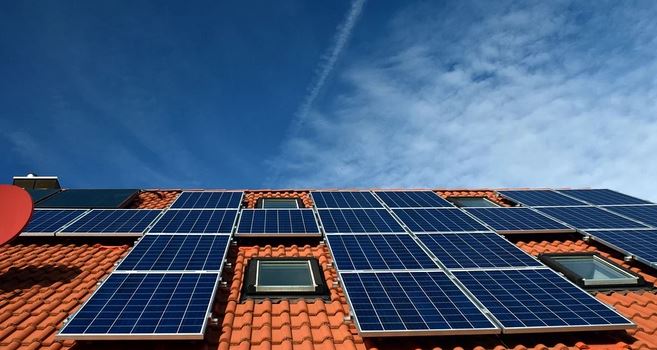
Em resumo, a energia solar é energia derivada da luz solar; é energia sustentável que pode ser usada para gerar eletricidade (usando um sistema fotovoltaico) e para aquecer água (usando energia térmica solar).
Qual é a definição de energia solar?
A energia solar é a energia renovável e sustentável que vem da luz solar e pode ser aproveitada e aproveitada através de uma gama de tecnologias como aquecimento solar, solar fotovoltaico e tecnologias solares térmicas.
O termo “energia solar” está geralmente associado à fotovoltaica, ou seja, a produção de eletricidade utilizando a luz solar como fonte de energia. Portanto, pode-se argumentar que a energia solar e a energia fotovoltaica são uma e a mesma coisa.
Na energia solar fotovoltaica, quando a luz solar é absorvida por painéis solares, a corrente elétrica é convertida em eletricidade para uso em residências, empresas e indústrias.
Propriedades da energia solar
As principais características da energia solar são:
– Ela vem da energia da luz solar;
– Energia renovável, escolha e sustentabilidade;
– Ela não cria desperdício e é considerada como energia limpa;
– Fonte de energia gratuita, portanto, a energia produzida é mais barata;
– Economia de até 95% nas contas de energia;
– Elas duram efetivamente por mais de 20 anos e requerem pouca manutenção.
Para que serve a energia solar?
A energia solar tem uma série de funções, pois utiliza o sol como fonte de energia, tornando-a uma forma limpa e ambientalmente correta de gerar eletricidade, que é muito útil, pois o calor e a luz solar são uma das fontes de energia mais rentáveis e viáveis em todo o mundo.
Como o sol pode ser uma fonte de energia?
O sol pode ser uma fonte de energia ao gerar eletricidade em usinas fotovoltaicas, aquecendo líquidos com energia solar térmica e em gigantescas usinas de energia solar.
Na fotovoltaica, os painéis solares são usados para captar a luz solar e gerar eletricidade, e o solar térmico usa o sol como fonte de energia para aquecer fluidos.
Qual é o potencial da energia solar?
Estima-se que a energia solar é inesgotável em escala humana. O potencial da energia solar é excepcional em comparação com todas as outras fontes de energia.
Veja abaixo o potencial da energia solar em comparação com outras fontes de energia. Esta figura mostra o potencial anual das fontes finais de energia e das fontes alternativas de energia que são consideradas renováveis.
Como a energia solar pode ser utilizada?
Os usos alternativos da energia solar são fotovoltaicos ou térmicos, produzindo eletricidade e energia térmica, respectivamente. Isso economiza nas contas de energia ou reduz o uso de equipamentos elétricos. Isto evita o desperdício e ajuda a proteger o meio ambiente.
A energia solar pode ser usada para o máximo benefício se o sistema que coleta a energia for corretamente distribuído e mantido nas partes mais altas do local onde há mais luz solar.
Saber aproveitar todo o potencial da energia solar pode ajudar a evitar perdas significativas e garantir uma maior longevidade de todo o sistema.
Como utilizar a energia solar
Há muitas maneiras de usar a energia solar para desenvolver nossa região. Assim, sua matriz energética pode ser explorada de uma forma sustentável, renovável e econômica:
1. Aquecimento de água;
Geração de energia fotovoltaica;
3. Iluminação pública;
4. sistemas de uso compartilhado, como geração de energia para escolas, centros de saúde e centros comunitários.
Mais sobre a energia solar no Brasil
Estes métodos são aplicados principalmente nas regiões sul e sudeste do Brasil, devido às características climáticas, e secundariamente nas regiões norte e nordeste, em cooperação com as distribuidoras de eletricidade.
Vale ressaltar também que, embora nossa região tenha um alto nível de distribuição de energia solar, há também áreas onde este nível é mais baixo. Entretanto, o potencial energético também pode ser explorado nessas regiões, mas somente se os incentivos necessários estiverem em vigor.
Os avanços na capacidade de computação muitas vezes permitem que os computadores façam as coisas mais rapidamente ou com menor consumo de energia, abrindo a porta para a inovação.
Mas esse não é o caso no nunda da moeda criptográfica: não importa o quanto o processamento melhore, as operações monetárias de trader ainda levam o mesmo tempo e realmente consomem mais energia do que antes.
Estudos têm demonstrado que as moedas criptográficas da mineração consomem tanta energia quanto toda a Argentina.
Como as moedas criptográficas são inerentemente manipuláveis – elas não têm autoridade central – estas operações desnecessárias foram uma solução encontrada para evitar interferências.
Um atraso deliberado em provar o trabalho.
A validação das transações em Bitcoin não requer muitos recursos, mas o custo não é zero.
Para incentivá-la, a moeda é projetada para distribuir novos Bitcoins para aqueles que têm um computador para fazer o trabalho: Eles podem ser “mineiros”.
Os eventos são colocados em blocos de dados conectados matematicamente, e o programa Bitcoin estima que a grade com o maior número de blocos é melhor.
Isto levou a duas desvantagens para a Bitcoin:
1. cada mineiro se beneficiaria de ser “egoísta” ao processar transações imediatamente para acumular alguns blocos e acumular Bitcoins apenas para si mesmo.
2. havia também o risco de que algum mineiro criasse uma rede totalmente nova com mais blocos e se tornasse a rede principal para interromper as transferências antigas e recuperar os bitcoins já utilizadas.
Ao contrário de moedas reais ou dólares, as moedas criptográficas não têm uma organização que organize o sistema de pagamento. Era importante criar um mecanismo que proibisse este comportamento igualmente a todos os concorrentes da rede.
Este é o propósito da característica “prova de trabalho” das criptomoedas. Além das transferências, cada bloco de dados tem múltiplas opções de mineração independentes.
Este capítulo corresponde a uma fórmula cuja seqüência deve corresponder a um critério aceito pela rede. Caso contrário, o processo é repetido até que um número correspondente seja encontrado.
Para que a rede cresça e acompanhe o desenvolvimento tecnológico, e para que os operadores realizem operações sem alterar sua velocidade (no caso do Bitcoin, isto significa um bloco de transferências a cada 10 minutos), foi criada outra regra: A fórmula recebe uma correção automática de endurecimento se os blocos começarem a contar antes do prazo de 10 minutos.
Se a função de processamento de otimização do mineiro e o número de entradas (pagas pelo processamento de cálculos) conseguir obter o resultado certo mais rápido do que o desejado, a liberação se torna rapidamente mais complexa.
Consumo de energia e surpresa
Segundo um estudo realizado por pesquisadores da Universidade de Cambridge (Inglaterra), a mineração de bitcoin já consome mais energia internacionalmente do que em países como Argentina, Holanda ou Emirados Árabes Unidos.
De acordo com o relatório, as moedas criptográficas da mineração requerem muita energia dos computadores, pois cálculos altamente complexos são necessários para examinar e resolver cada transação paralela. O consumo é estimado em 121,36 terawatts-hora (TWh) por ano.
PRINCIPAIS
Este valor é ligeiramente superior ao consumo anual de energia da Argentina de 121,00 TWh, os Emirados Árabes Unidos consomem 113,20 TWh, uma parte significativa dos quais vem de hotéis de luxo e shopping centers em Dubai, a principal cidade da região, e o consumo também é superior ao consumo anual de energia da Holanda de 108,80 TWh.
Se o consumo de energia de mineração em moeda criptográfica continuar a crescer, o que é possível, o consumo anual de energia da Noruega excederá ainda mais 122,20 TWh.
Tesla investiu cerca de US$ 1,5 bilhão em Bitcoins
O consumo de energia na mineração é proporcional ao aumento do preço da moeda.
A entrada de grandes jogadores como Tesla no mercado é como desvendar o segredo do Bitcoin está fazendo subir o preço da moeda. Como introdução, depois que a empresa Elon Musk anunciou que havia investido US$ 1,5 bilhão, o preço da moeda virtual subiu para US$ 48.000,00
Segundo Michelle Rauchs, pesquisadora do Centre for Alternative Finance em Cambridge, o aumento do valor deveria levar a um aumento adicional da energia necessária para coletar os Bitcoins. “Isso não vai mudar no futuro, a menos que o preço da Bitcoin caia significativamente.
Vídeo: Dicas de como usar energia sustentável para minerar bitcoin
Presentemente, varias pessoas empresas procuram formas mas equilibradas de consumo energético. Uma delas — a mas conhecida nos dias de hoje em dia — é a força sustentável. Com tão somente poucas muitos anos de pesquisas, os cientistas descobriram diversos formas significativas de produzi-la.
Para auxiliar a sustentar o nível de energia atual firme, o uso sustentável consciente possui sido a melhor solução. As residências, estabelecimentos indústrias ecologicamente corretas são grandes exemplos desse gênero de de consciência, uma vez que suas estruturas funcionamentos são baseados na sustentabilidade da construção social, o que inclui o uso de fontes de força sustentável.
Siga lendo este post para descobrir a relevância da energia sustentável, suas proveitos que a melhor forma de utilizá-la. Boa análise!
Por fim, o que é energia sustentável?
A energia sustentável é aquela produzida fornecida para conformar às necessidades energéticas existentes, sem prejudicar a capacidade das futuras gerações de suprirem as suas demandas. As fontes de energia de maior relevância são as renováveis limpas, com zero ou bastante pouco índice de produção de dióxido de carbono, metano, ozona outros gases que fomentam o efeito estufa (GEE).
As tecnologias utilizadas para progredir a eficiência na treinamento, armazenamento fornimento de energia também são fundamentais neste caso. Resumidamente, o uso de fontes renováveis a procura jacente de capacidades energéticas são os 2 pilares da pujança sustentável. Conheça, acompanhar, as primordiais fontes de força sustentável!
Força Eólica
É obtida através de hélices (cataventos) que convertem a força dos ventos obtidos pelas pás em energia elétrica. Se bem seja um classe de energia limpa, ela ainda não é bastante usada devido do sonido emitido do impacto visual. Sem narrar que nem constantemente o vento sopra conforme a demanda imprescindível de energia.
Proveitos:
é inexaurível;
não gera gases poluentes;
reduz a emissão de GEE.
Uso aplicações
Embora ainda seja mas usada para fins empresariais, a pujança eólica deve ser utilizada em ambientes domésticos mediante mini microgeradores. São oso4 sistemas de pequeno porte, mas compatíveis com a demanda de energia de uma residência do que os grandes aerogeradores.
Se a vivenda é construída em um lugar com bastante incidência de ventos, melhor ainda: basta providenciar a compra a instalação de um gerador, observando a urgência mínima de vento precisa para o movimento do sistema. Enorme vantagem é que os modelos próprios para uso doméstico podem ser facilmente instalados em telhados geralmente são silenciosos.
Com relação ao uso empresarial, o Brasil é o oitavo país com mas capacidade de produção de força eólica, chegando a quase 13 gigawatts, segundo dados do Global Wind Statistic 2017. Dintingue-se, sobretudo, a localidade Nordeste, com 135 parques apenas no estado do Rio Extensa do Setentrião.
Força Solar
É gerada por meio do uso de painéis solares fotovoltaicos, que frequentemente são feitos de silício. a claridade solar vergasta nas placas, ela é transformada em eletricidade. Varias residências empresas já a utilizam pelo fácil fato de que não é preciso um extensa investimento para fazer a instalação das placas fotovoltaicas.
Incentivos:
é renovável;
é uma força limpa, isto é, não polui o ambiente;
inferior dispêndio de manutenção;
é uma magnífico nascente de força em regiões não atendidas pelos tipos convencionais;
se o equipamento for aninhado em moradia, a redução do dispêndio de pujança elétrica é sentida logo no primeiro mês de uso.
Uso aplicações
Ao lado da energia hídrica, a solar é, certamente, a mas eficazmente aproveitada para uso doméstico empresarial. A facilidade de aderir a esse protótipo de produção energética é tão extensa que o mercado já oferece uma variedade de sistemas fotovoltaicos para instalação em construções civis, que podem ser adquiridos durante a construção ou reforma de uma vivenda atrás de um envolvente mas sustentável.
Além de ser uma das fontes limpas com menos impactos ao ambiente, o uso de sistemas de coleta conversão dos raios solares em energia garante uma economia financeira significativa, visto que está relacionado a uma extensa redução nos níveis de consumo, além de exigir poucos cuidados com manutenção.
Energia Hídrica
É produzida por meio da energia contida nos movimentos de corpos d´agua, que podem ser lagos rios, mediante desníveis quedas de agua. Deve ser transformada em movimentações mecânicas, devido à rotação de eixos em moinhos de agua ou turbinas hidráulicas.
Ganhos:
o preço do seu combustível, por ser agua, é praticamente nulo;
é renovável não emite poluentes no envolvente.
Uso aplicações
Abastecendo extensa secção das residências, as hidrelétricas são responsáveis pela maior parcela de produção de energia no Brasil. Isso se deve à opulência de recursos hídricos no país, repleto de rios extensos com correntes de fluxo intenso.
O maior é a Usina de Itaipu, com 20 geradores uma potência de produção de pujança que deve chegar a mas de 98 milhões de megawatts/hora, classificada como a maior hidrelétrica do planeta. Dessa maneira, ela sozinha é capaz de suprir a premência energética de quase 20% das residências brasileiras de 75% do Paraguai.
Semelhantemente, empresas se beneficiam desse modo de produção de energia renovável. Nem mais nem menos por consequência, em momentos de crises hídricas, como a que marcou o país no ano de 2015, as indústrias o transacção sentem no bolso os reflexos da estiagem, dado que na falta de agua a escolha mas utilizada é a energia termoelétrica — mas faceta com impactos negativos no meio.
Pujança de Biomassa
A tamanho biológica é um volume de material orgânica produzida em um determinado lugar de um terreno/campina. Ela é capaz de produzir gases que são convertidos em pujança elétrica por usinas específicas.
Esse gênero de de gás fruto da dissolução de material orgânica como madeira, sobras de provisões, resíduos agrícolas, esterco, entre muitos outros.
Incentivos:
é uma manadeira de energia renovável limpa;
é uma escolha bastante segura com extensa potencial;
é bastante conceituada devido à subida consistência energética pelas facilidades de armazenamento transporte.
Uso aplicações
Essa forma de força selecção está sendo qualquer vez mas utilizada , no Brasil, é bastante promissora. Conforme dados da Filial Mundial de Força, as usinas de biomassa serão responsáveis por por volta de 11% da matriz global até 2020.
Secção essencial do trabalho desse sistema depende da coleta de recursos. Enorme sacada dos países mas desenvolvidos está em aproveitar a coleta seletiva de lixo para o acúmulo de combustível com potencial para geração de energia, tanto para fins domésticos quanto empresariais.
Energia geotérmica
A gretar desse, abordamos um conjunto menos sabido de fontes de força sustentável. Nosso primeiro é o da pujança geotérmica, que aproveita o calor emitido pelo interno do planeta. Em peculiar do magma, que está até por volta de 64 quilômetros da superfície.
A temperatura média do magma é de por volta de 6000Cº. Aliás, este está sob jacente pressão, o que faz com chegue mas perto da crosta. Nos locais onde essa estrato é mas fina, o calor do magma é sentido com maior intensidade.
Você possívelmente já deparou (ou, no mínimo, ouviu falar) com pequeno número de manifestações do magma na superfície terrestre. Entre as mas conhecidas estão os vulcões, resultado da expulsão do magma de modo violenta mediante falhas na crosta terrestre. Temos ainda os gêiseres as minas de agua quente, resultado do aquecimento de fontes pelo calor subterrâneo.
A pujança geotérmica deve ser utilizada de modo direta ou indireta. A primeira envolve a coleta utilização das fontes de agua aquecidas pelo magma, seja em indústrias ou residências. Método indireta viabiliza a produção de eletricidade. Para isso é necessário captar a agua quente ou o vapor, encaminhá-lo mediante tubulações específicas para uma usina geotermal, onde turbinas serão acionadas. A movimentação das hélices gerará a força elétrica desejada.
Ganhos:
emissão quase nula de gases do efeito estufa;
manancial praticamente inexaurível;
espaço reduzido de instalação;
produção interrupta.
Usos aplicações
A viabilidade do uso da força térmica depende especialmente de aspectos naturais de qualquer país. Apesar disso, o investimento inicial para descrever com essa manadeira costuma ser bastante elevado, o que finaliza afastando essa selecção em diversos casos.
Tais aspectos fazem com a utilização da pujança geotérmica em larga graduação seja uma exceção. É o caso, por ex, da Islândia, onde maior secção da pujança utilizada é provindo do calor do interno da Terreno.
Nos demais países, o trabalho é pontual. Por conseguinte, a força geotérmica responde a unicamente 0,3% da capacidade global. Pequeno número de preocupações ambientais, como a correta destinação de gases tóxicos oriundos da extração do calor, também atrasam a popularização dessa maneira de geração de pujança.
Pujança maremotriz
A pujança maremotriz aproveita a movimentação o desnível das marés marítimas como manadeira energética. O aproveitamento do sobe desce da agua do mar é conformado com a construção de estruturas similares às usinas hidrelétricas, com barragens eclusas desenhadas para o armazenamento da agua.
Durante as marés altas, a agua enche os diques. ela desce, a agua é liberada aciona as turbinas, gerando eletricidade.
Proveitos:
não emite gases do efeito estufa;
previsível, dado que é provável prezar a oscilação das marés;
não depende do clima.
Uso aplicações
O aproveitamento das marés faz com seja necessário a combinação de aspectos geográficos favoráveis um elevado investimento inicial para a construção da infraestrutura precisa. Por consequência, a pujança maremotriz é vista como uma manadeira complementar nos países quando ela é empregada.
Dessa maneira, mesmo onde ela está mas avançada, os usos costumam ser pontuais. França, Reino Uno Canadá se destacam nesse cenário. No Brasil, os primeiros projetos para o aproveitamento das marés estão em curso, pesquisando identificar pontos do litoral brasileiros onde a instalação seja viável.
Energia ondomotriz
Também provindo do mar, aproveita as ondas para produzir pujança. Dissemelhante do que acontece com as marés (que são criadas pelo movimento da Terreno da Lua), as ondas acontecem pela movimentação da agua do mar, na superfície, devido ao vento.
A maior parte das tecnologias para pleno aproveitamento da energia das ondas ainda está em desenvolvimento, porém elas se mostram bastante promissoras. A maior parte envolve a utilização de equipamentos que flutuam ao nível do mar geram energia a gretar da movimentação das ondas.
Incentivos:
manadeira limpa inexaurível;
desembaraçado a maioria do tempo;
aproveita os oceanos, que ocupam mas de 70% da superfície da Terreno.
Usos aplicações
Além da ciência ainda estar em desenvolvimento, o elevado dispêndio faz com a utilização da pujança ondomotriz seja muito pequeno, mesmo nos países nos quais o potencial desimpedido é saliente. No Brasil, as primeiras instalações ainda estão em estudo prometem entrar em andamento nos próximos anos.
Quais são as controvérsias entre pujança renovável sustentável?
Na maior número das vezes, os termos “renovável” “sustentável” são usados alternadamente. No siso geral, todas e cada uma das fontes de força renováveis são sustentáveis não há nenhuma diferença entre os 2 termos. Conquanto, isso nem continuamente é verdade. Para várias fontes de energia, a classificação de “sustentável” deve ser subjetiva depender de fatores que vão além da própria produção energética.
Um são as hidrelétricas, que, ainda que serem consideradas renováveis — porque a agua é um recurso organico que vai estar continuamente desembaraçado, mesmo em temporada de escassez —, há quem argumente uma provável classificação como sustentáveis, devido ao dano ambiental formado pelas barragens. Outro é a pujança nuclear. pequeno número de pessoas consideram essa nascente sustentável limpa, ela não é renovável, dado que as reservas de urânio são finitas.
Como funcionam as fontes não renováveis de força?
Apesar da crescente preocupação com o esgotamento das reservas energéticas do planeta, a exploração de petróleo o consumo desordenado de seus derivados seguem progressão em todo planeta. Esse círculo vicioso eventualmente resultará em consequências catastróficas, porque, bastante em breve, se extinguirem as reservas naturais, vai ter escassez de energia.
Para evitar esse cenário, é preciso explorar novas formas de geração energética para conformar às nossas necessidades, como o uso de carvão-de-pedra mineral urânio. Porém, a saída de que tais recursos também acabem é bastante extensa, é desse modo que as fontes limpas — principalmente a força solar, inexaurível — são tão confiáveis sustentáveis.
Como a força sustentável deve auxiliar país?
As energias sustentáveis — como a solar, a eólica, a hídrica a de biomassa — garantem proveitos determinantes para a nossa economia, nosso cotidiano, nosso muito-estar saúde. Veja, próximo, como elas podem prosperar a sustentabilidade das cidades no horizonte!
Magra ou nenhuma emissão de gases tóxicos de aquecimento global
A força sustentável quase não emite gases ou gera resíduos que prejudiquem a fauna, a flora a saúde das pessoas. Agora, imagine um câmara municipal todo com carros elétricos placas solares. Como seria a qualidade do espaço?
Uma nascente de força enorme renovável
Devido à extensão do território do Brasil, se um dia tudo isso for aproveitado, conseguiremos fabricar mais ou menos 10 vezes mas energia do que consumimos presentemente. Sabendo que as fontes sustentáveis são renovadas de modo jacente, isso almeja manifestar que teríamos pujança permanente, sem nos preocuparmos nunca mas com a sua provável escassez.
Autoprodução: a independência energética
Se as pessoas adquirirem um gerador de força solar, por ex, suas moradias ou empresas nunca mas devem se incomodar com os elevados custos da conta de iluminação. Dessa maneira, o mundo inteiro serão “autoprodutores” conquistarão a sua tão sonhada independência energética, pagando tão somente um preço justo comportável à utilização.
Uma rede de pujança mas confiável segura
Além de tudo isso, matrizes como a eólica ou a solar são menos dispostas a falhas em extensa graduação. Imaginemos que sistemas de pujança sustentável estão distribuídos em várias áreas de uma cidade, como nos telhados de construções civis indústrias. Dessa maneira, acontecimento de tempo severo, como tempestades relâmpagos, não interromperá a distribuição de força desses locais.
Agora que você está por dentro das primordiais fontes de energia sustentável, conheça as soluções oferecidas pela Kisoltec, entre em contato conosco agora mesmo!